
Blog
How Often Should You Deep Clean Your House?
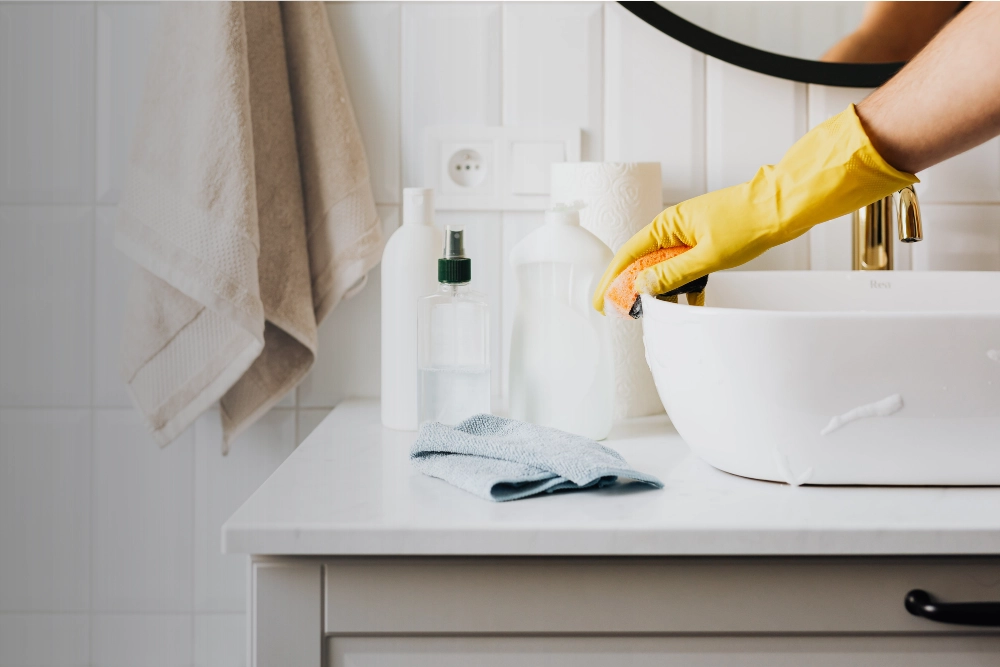
Maintaining a clean home requires more than routine dusting, vacuuming, and surface cleaning. Over time, grease, dust, and other residues can accumulate in areas that are not regularly addressed. As a rule of thumb, deep clean your whole house every three to six months, and give kitchens, bathrooms, and high-traffic areas attention more often.
The right frequency for your home depends on a few things: household size, daily activities, pets, environmental conditions, and your existing cleaning habits. A consistent schedule helps control buildup and makes each deep clean easier.
Every home is different, so this guide breaks down how often to deep clean each room, what changes that timing, and the signs your home is due.
How Often to Deep Clean Your House: Quick Schedule
For most households, a comprehensive deep cleaning every three to six months is a practical starting point. However, certain rooms and surfaces may require more frequent attention depending on their level of use and exposure to dirt, moisture, and other contaminants.
The following schedule provides general recommendations:
| Area | Suggested Deep Cleaning Frequency |
|---|---|
| Kitchen | Every 1–3 months |
| Bathrooms | Every 1–3 months |
| Bedrooms | Every 3–6 months |
| Living room | Every 3–6 months |
| Carpets and upholstery | Based on use, condition, and manufacturer recommendations |
| Whole house | Every 3–6 months |
These intervals serve as general planning guidelines rather than fixed requirements. Households with pets, children, frequent visitors, or substantial daily activity may require more frequent cleaning.
Routine maintenance should continue between scheduled deep cleaning sessions. For example, weekly bathroom cleaning addresses frequently used surfaces, while periodic deep cleaning focuses on grout, ventilation covers, and other areas that may accumulate residue over time. If keeping up with that routine is hard, recurring cleaning can handle it on a weekly, biweekly, or monthly schedule.
Deep Cleaning vs. Regular Cleaning
Understanding the distinction between regular cleaning and deep cleaning is essential for developing an effective home maintenance schedule.
Regular cleaning focuses on maintaining frequently used areas and controlling everyday dirt and debris. Common activities include vacuuming floors, wiping countertops, washing dishes, and cleaning bathroom fixtures.
Deep cleaning involves more detailed attention to areas where grease, dust, dirt, and residue accumulate beyond the reach of standard cleaning routines.
Typical deep cleaning tasks include:
-
Removing grease from kitchen cabinets and backsplashes
-
Cleaning behind accessible furniture and appliances
-
Washing baseboards, door frames, and window sills
-
Removing mineral deposits from suitable bathroom fixtures
-
Cleaning cabinet interiors and drawers
-
Dusting accessible vents, ceiling fans, and light fixtures
-
Cleaning corners, floor edges, and other frequently overlooked areas
Deep cleaning complements regular maintenance by addressing surfaces and spaces that require additional time and attention. For more on what each approach achieves, see whether deep cleaning really works and our guide to recurring home cleaning.
Recommended Deep Cleaning Schedule by Room
Cleaning requirements vary throughout the home. Kitchens and bathrooms generally require more frequent attention because of their exposure to moisture, food residue, and regular use. Bedrooms and living areas may follow longer intervals, depending on household activity.
Kitchen: Every One to Three Months
Kitchens are regularly exposed to cooking oils, food residue, moisture, and spills. These substances can accumulate on surfaces even when countertops and appliances receive consistent routine cleaning.
A comprehensive kitchen deep cleaning should address:
-
Oven interiors and stovetop surfaces
-
Grease buildup on cabinet exteriors
-
Accessible cabinet interiors and drawers
-
Refrigerator shelves and compartments
-
Backsplashes and suitable wall surfaces
-
Accessible areas behind small appliances
-
Sinks, faucets, and surrounding fixtures
-
Baseboards and floor edges
Households that prepare meals frequently may benefit from monthly attention to cooking surfaces and surrounding areas.
Bathrooms: Every One to Three Months
Bathrooms require regular maintenance because of their exposure to moisture, soap residue, and mineral deposits. Without periodic detailed cleaning, buildup can become increasingly difficult to remove.
Recommended bathroom deep cleaning tasks include:
-
Cleaning shower walls, doors, and tracks
-
Removing soap scum from appropriate surfaces
-
Addressing mineral deposits around faucets
-
Cleaning grout with surface-compatible products
-
Wiping vanity interiors and cabinet exteriors
-
Dusting accessible exhaust fan covers
-
Cleaning baseboards and floor corners
Routine bathroom cleaning should continue weekly or as needed. Any persistent moisture problems, leaks, or ventilation deficiencies should be addressed separately, as cleaning alone cannot resolve underlying maintenance issues.
Bedrooms: Every Three to Six Months
Bedrooms can accumulate dust and debris around furniture, textiles, and storage areas despite appearing relatively clean.
A detailed bedroom cleaning may include:
-
Vacuuming beneath and behind accessible furniture
-
Dusting baseboards and window sills
-
Cleaning blinds and suitable window surfaces
-
Wiping closet shelves and storage areas
-
Vacuuming upholstered furniture
-
Cleaning mattresses according to manufacturer instructions
-
Washing bedding and washable textiles according to care labels
Households with specific allergy-related concerns may need to adjust their cleaning practices based on individual requirements and appropriate professional guidance.
Living Rooms: Every Three to Six Months
Living rooms and shared spaces often experience substantial daily use. Foot traffic, furniture placement, pets, and frequent visitors can contribute to the accumulation of dust and debris.
Recommended tasks include:
-
Vacuuming beneath sofas and accessible furniture
-
Cleaning upholstery according to manufacturer instructions
-
Dusting shelving, decorative items, and electronics safely
-
Wiping baseboards, door frames, and window sills
-
Cleaning accessible ceiling fans and light fixtures
-
Removing dust from corners and floor edges
-
Cleaning hard flooring with suitable products
Homes with pets or substantial daily activity may require additional attention to carpets, upholstery, and frequently used surfaces.
5 Factors That Change How Often You Should Deep Clean
The right deep cleaning frequency depends on the characteristics and daily activities of each household. Several factors should be considered when establishing a maintenance schedule.
1. Household Size
The number of occupants can influence how quickly dirt and debris accumulate.
Larger households generally experience greater use of shared spaces, including kitchens, bathrooms, and living areas. These spaces may require more frequent cleaning to maintain acceptable conditions.
2. Pets
Pets can contribute fur, dander, outdoor debris, and occasional stains to household surfaces.
Homes with pets may require more frequent attention to flooring, upholstery, carpets, and designated pet areas.
3. Children and Daily Activities
Households with young children may experience increased activity in shared living spaces.
Frequent floor use, food preparation, spills, and daily activities can influence cleaning requirements. Maintaining frequently used surfaces and addressing visible buildup promptly can help manage these conditions.
4. Local Weather and Environmental Conditions
Regional environmental conditions can affect household cleaning requirements.
For example, homes in Vancouver, WA, and the Portland area see more moisture and mud tracked indoors during the rainy months. Entryways, floor mats, and high-traffic flooring may therefore require additional maintenance.
In regions with drier conditions, airborne dust may contribute to more frequent surface cleaning requirements.
Homeowners should consider the environmental conditions affecting their property when determining an appropriate cleaning schedule.
5. Regular Cleaning Habits
Consistent routine cleaning can help minimize the accumulation of dirt and residue.
Households that regularly maintain flooring, countertops, bathrooms, and other frequently used surfaces may find periodic deep cleaning easier to manage.
Even so, less accessible areas still require scheduled attention, regardless of the consistency of regular cleaning practices.
Signs Your House Needs Deep Cleaning
Although a scheduled cleaning routine provides structure, the condition of the home should also determine when additional cleaning is necessary.
Common indicators include:
Visible dust in overlooked areas: Dust accumulating on baseboards, ventilation covers, window sills, or behind furniture may indicate that routine cleaning does not adequately address these surfaces.
Grease and residue in the kitchen: Sticky cabinet surfaces, buildup around cooking equipment, and persistent food residue may require more detailed cleaning.
Soap scum and mineral deposits: Visible buildup on shower doors, bathroom fixtures, and tile surfaces may indicate the need for additional attention.
Accumulated debris along floor edges: Dirt collecting in corners, beneath furniture, or around baseboards may require a more comprehensive floor cleaning.
Persistent household odors: Lingering odors may indicate spills, food residue, waste, or other sources that require investigation. If odors remain after cleaning, underlying moisture or maintenance concerns should be evaluated.
Addressing these conditions as they develop can help prevent more extensive buildup and reduce the time required for future cleaning.
How to Create a Manageable Deep Cleaning Schedule
An effective cleaning schedule distributes maintenance responsibilities throughout the year rather than concentrating every task into a single cleaning session.
Organizing responsibilities by frequency allows homeowners to maintain consistent cleaning standards while managing the time required for individual tasks.
Weekly Maintenance
Weekly maintenance should focus on frequently used surfaces and everyday household cleaning requirements.
Recommended tasks include:
-
Vacuuming and mopping floors as needed
-
Wiping kitchen countertops and cooking surfaces
-
Cleaning sinks, toilets, and frequently used bathroom fixtures
-
Dusting commonly used furniture
-
Addressing spills and visible debris promptly
Monthly Deep Cleaning Tasks
Monthly cleaning should address areas that may not receive sufficient attention during routine maintenance.
Recommended tasks include:
-
Cleaning kitchen cabinet exteriors
-
Wiping baseboards in high-traffic areas
-
Cleaning accessible window sills and tracks
-
Removing buildup from bathroom fixtures
-
Vacuuming beneath accessible furniture
-
Dusting reachable ceiling fans and light fixtures
Quarterly Deep Cleaning Tasks
Quarterly cleaning provides an opportunity to address areas requiring more extensive maintenance.
Recommended tasks include:
-
Cleaning appliance interiors as needed
-
Emptying and wiping storage cabinets
-
Removing accumulated residue from kitchens and bathrooms
-
Cleaning overlooked floor edges and corners
-
Evaluating carpet and upholstery cleaning requirements
-
Inspecting areas where moisture or dust commonly accumulates
Seasonal or Semiannual Tasks
Seasonal or semiannual cleaning may involve areas that require less frequent but more comprehensive attention.
Recommended tasks include:
-
Cleaning infrequently used storage spaces
-
Washing appropriate window surfaces
-
Conducting detailed cleaning of bedrooms and living areas
-
Reviewing flooring and upholstery maintenance requirements
-
Addressing areas overlooked during previous cleaning sessions
Distributing these responsibilities throughout the year supports consistent home maintenance and helps prevent significant accumulation of dirt and residue.
When Should You Consider Professional Deep Cleaning?
Although regular household maintenance can address many cleaning requirements, certain circumstances may justify professional assistance.
Professional deep cleaning may be appropriate when:
-
Limited availability makes detailed household cleaning difficult to complete
-
Multiple rooms require extensive cleaning
-
The property is being prepared for guests or a special occasion
-
Significant buildup has accumulated following an extended period of limited maintenance
-
Certain areas require more detailed attention than routine cleaning allows
Before scheduling a professional service, homeowners should identify their priorities and confirm the scope of work. Cleaning packages may differ in their inclusion of appliance interiors, interior windows, and specialized treatments.
If you'd like help, our home deep cleaning service covers the kitchen, bathrooms, bedrooms, and living areas in detail.
Frequently Asked Questions
Is deep cleaning every three months necessary?
Not necessarily. A three-month interval is a reasonable starting point for many households, but the appropriate frequency depends on property conditions, household activity, and existing maintenance practices. Some homes may require more frequent attention, while others may follow a longer schedule.
Can I deep clean my house once a year?
Annual deep cleaning may be sufficient for certain infrequently used areas. However, it should not replace routine maintenance or more frequent cleaning of kitchens, bathrooms, and high-traffic spaces. Distributing cleaning responsibilities throughout the year is generally more practical.
How often should you deep clean your kitchen?
A comprehensive kitchen cleaning every one to three months is a reasonable general recommendation. Households with frequent cooking activity or substantial grease accumulation may require more frequent attention to specific surfaces.
How often should bathrooms be deep cleaned?
Bathrooms may benefit from detailed cleaning every one to three months, supported by regular weekly maintenance. Cleaning frequency should be adjusted based on usage, moisture exposure, and visible buildup.
Does a clean-looking house still need deep cleaning?
Yes. A visually clean home may still contain accumulated dust, grease, and residue in less accessible areas. Periodic deep cleaning addresses surfaces that are not consistently included in routine cleaning.
Is professional deep cleaning different from regular house cleaning?
Professional deep cleaning generally involves more detailed cleaning of surfaces and areas that may not be included in standard maintenance. However, the exact services vary by provider, making it important to confirm the scope of work before scheduling.
Maintain a Consistent Deep Cleaning Schedule
Establishing an appropriate deep cleaning schedule is an important part of maintaining a well-kept residential property. For many households, comprehensive cleaning every three to six months, supported by more frequent kitchen and bathroom maintenance, provides a practical foundation.
The most effective schedule should account for household size, daily activities, environmental conditions, and the existing condition of the property. Regularly reviewing these factors allows homeowners to adjust cleaning frequency and address buildup before it becomes more difficult to manage.
Want to hand off the deep clean? We offer professional deep cleaning services, and recurring cleaning to keep things in shape between visits. Call us at (360) 989-0636 to check availability in your area.